How to Choose the Best Portable Signal Jammer | RF Frequency Bands Guide
How to Choose the Best Portable Signal Jammer: Common Frequency Bands Used in RF Signal Jammers
Portable RF signal jammers are widely used in authorized environments where wireless communication management is required. Choosing the right portable signal jammer involves much more than simply selecting the highest power output. Understanding frequency coverage, supported wireless standards, portability, cooling performance, and battery life can help buyers make a more informed decision.
This guide explains the most common RF frequency bands used in portable signal jammers and highlights the key factors to consider before selecting a suitable device.
What Is a Portable Signal Jammer?
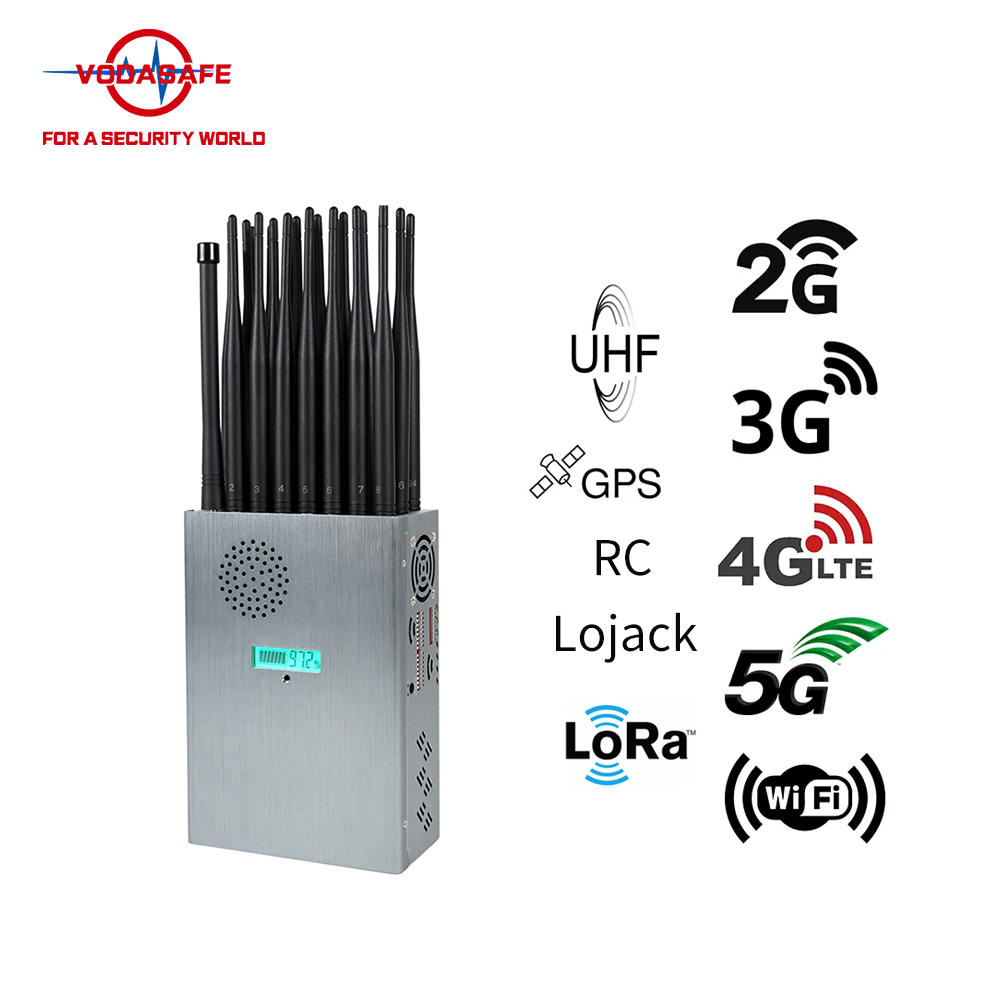
A portable signal jammer is a compact RF device designed to interfere with selected wireless frequency bands within a limited coverage area. Depending on its configuration, it may support multiple communication standards including cellular, WiFi, Bluetooth, GPS, LoRa, RFID, or other radio frequencies.
Compared with fixed installations, portable models offer:
- Lightweight design
- Battery-powered operation
- Fast deployment
- Easy transportation
- Flexible multi-band configurations
Why Frequency Bands Matter
Every wireless technology operates within a specific radio frequency range.
A signal jammer only affects the frequencies it is specifically designed to cover. Therefore, selecting the correct frequency combination is one of the most important purchasing decisions.
Different countries also allocate different frequency bands for mobile communications, meaning worldwide coverage often requires broader multi-band support.Common Frequency Bands Used in RF Signal Jammers
Cellular Networks
Portable signal jammers commonly cover:
Multi-band support allows broader compatibility across different countries and mobile operators.Technology Common Bands GSM 850 / 900 / 1800 / 1900 MHz CDMA 800 / 1900 MHz 3G 850 / 900 / 1900 / 2100 MHz 4G LTE 700 / 800 / 1800 / 2600 MHz 5G NR 600 / 700 / 3500 MHz (varies by region) Vodasafe WIFI&Bluetooth jammer
WiFiModern wireless devices mainly use:
- 2.4 GHz
- 5.2 GHz
- 5.8 GHz
- WiFi 6 / WiFi 6E (where supported)
Bluetooth
Bluetooth operates primarily at:
- 2.402–2.480 GHz

Vodasafe GPS jammer
GPS / GNSSSatellite navigation commonly uses:
- GPS L1
- GPS L2
- GPS L5
- GLONASS
- Galileo
- BeiDou
vodasafe vhf&uhf jammer
Radio Frequencies (RF)Some portable RF signal jammers also support:
- VHF
- UHF
- LoRa
- RFID
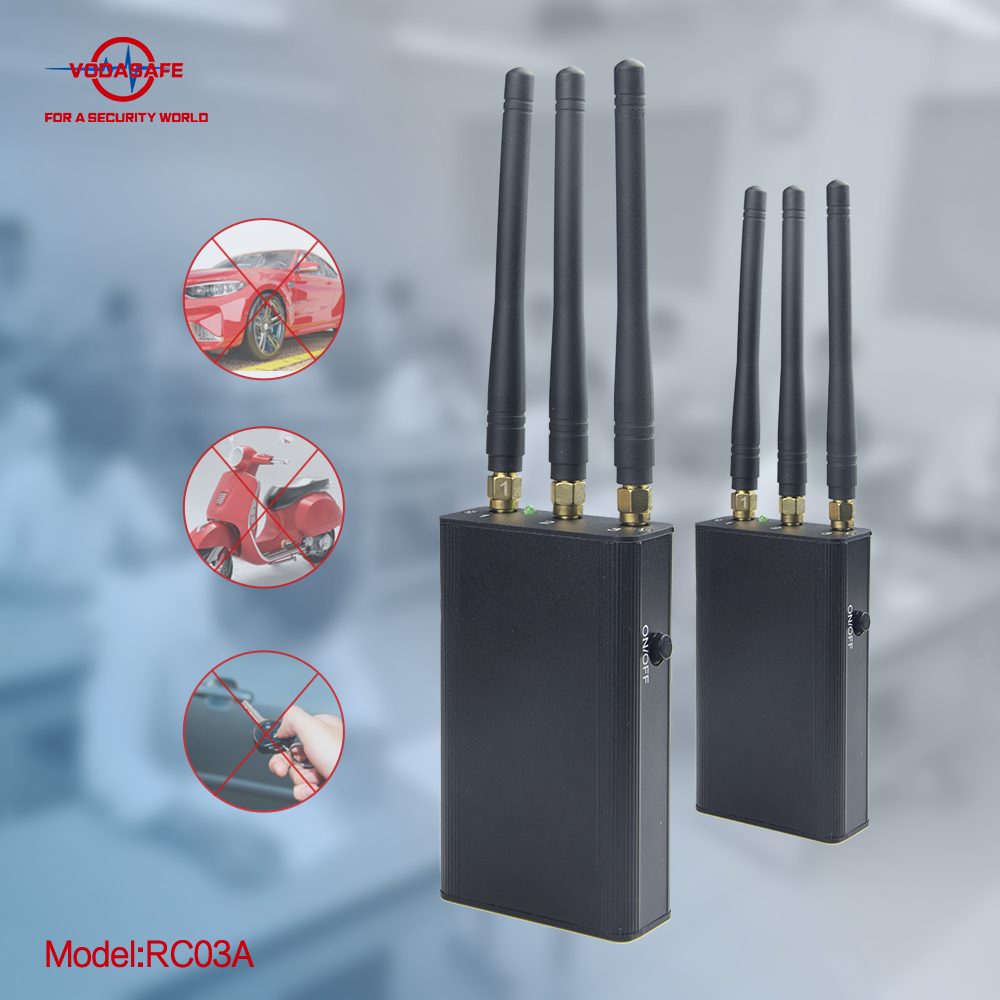
- Vodasafe Car remote control jammer
- Remote Control Frequencies
- ISM Bands
- 315 MHz
- 433 MHz
- 868 MHz
- 915 MHz
These frequencies are frequently used by wireless remote controls, IoT devices, industrial equipment, and telemetry systems.
Key Factors When Choosing a Portable Signal Jammer1. Frequency Coverage
Choose a model that matches the wireless technologies relevant to your intended application.
Models with more supported bands generally provide greater flexibility across different environments.
2. Output Power
Higher RF output typically provides:
- Better coverage
- Improved signal suppression
- More stable operation
However, increased power also results in higher energy consumption and greater heat generation.
3. Battery Capacity
Portable operation depends heavily on battery life.
Look for features such as:
- Rechargeable lithium battery
- External power bank compatibility
- Fast charging
- Long continuous operating time
4. Cooling System
Efficient thermal management improves long-term reliability.
Professional models may include:
- Aluminum heat sinks
- Internal cooling fans
- Intelligent temperature control
- Ventilated housing
5. Antenna Design
High-quality antennas can significantly improve RF performance.
Common configurations include:
- High-gain omnidirectional antennas
- Detachable antennas
- Foldable antennas
- Independent antennas for each frequency band
6. Portability
If mobility is important, consider:
- Compact size
- Lightweight housing
- Ergonomic handle
- Carrying case
- Outdoor-friendly construction
Portable vs Fixed Signal JammerPortable Signal Jammer Fixed Signal Jammer Easy to carry Permanent installation Battery powered AC powered Quick deployment Continuous operation Flexible applications Large-area coverage Ideal for temporary use Suitable for fixed facilities
How Many Frequency Bands Do You Need?
There is no universal answer.
Typical options include:
- 8–12 Bands – Basic communication coverage
- 12–16 Bands – Cellular + GPS + WiFi
- 18–24 Bands – Enhanced worldwide compatibility
- 28–32 Bands – Comprehensive multi-frequency coverage for professional applications
Selecting the appropriate number of bands depends on the wireless systems you intend to manage.
Choosing the Right Portable RF Signal JammerBefore purchasing, consider the following checklist:
- Required wireless technologies
- Frequency compatibility
- Regional network standards
- Coverage expectations
- Battery life
- Cooling efficiency
- Antenna configuration
- Product quality
- Manufacturer support
A well-designed portable RF signal jammer should provide stable performance, reliable frequency coverage, and convenient mobility while meeting the operational requirements of authorized users.
Frequently Asked QuestionsWhat frequency bands do portable signal jammers usually support?
Most portable models support combinations of GSM, CDMA, 3G, 4G LTE, 5G, WiFi, Bluetooth, GPS, and other RF bands depending on the product configuration.
Can one jammer cover every wireless frequency?
No. Every model is designed to support specific frequency bands. Coverage depends on the installed RF modules and antenna configuration.
Does more output power always mean better performance?
Higher power can increase effective coverage, but overall performance also depends on antenna quality, cooling efficiency, RF module design, and environmental conditions.
How many antennas should a portable jammer have?
The number of antennas generally corresponds to the number of supported frequency bands. Multi-band models often include one dedicated antenna per frequency range.
Are portable signal jammers suitable for international use?
Many professional portable models are designed with worldwide frequency compatibility by supporting multiple cellular and wireless communication bands. Buyers should verify compatibility with local network frequencies before purchasing.

